If you’re thinking about selling in Rolling Fields, you’re not stepping into a big, uniform market. You’re selling in a very small Jefferson County city where presentation, paperwork, and pricing can carry more weight because a handful of sales can shift the numbers fast. The good news is that with the right prep, you can launch with confidence, attract serious buyers, and protect your home’s value. Let’s dive in.
Why Rolling Fields Is Different
Rolling Fields is a small city of 731 residents, and that alone changes how you should approach a sale. In a market this small, broad averages can be helpful for context, but they do not tell the full story for your specific home.
Local market snapshots from March 2026 showed Rolling Fields with roughly 119 to 126 homes for sale, median days on market ranging from 25 to 32 days, and sale-to-list ratios around 99% to 100%. Those numbers point to an active market, but they also show why you should read headline medians carefully in a thinly traded area.
Rolling Fields also has its own municipal rules and public-facing city resources. The city posts information on permits, contractor hours, dumpsters and PODs, rental houses, nuisances, parking, and design or use restrictions. For you as a seller, that means list prep is not just about making the kitchen look good. It also means checking exterior logistics and municipal compliance before your home goes live.
Start With Pricing, Not Guesswork
In Rolling Fields, pricing should begin with the most similar local sold homes, not just Louisville-wide averages. Because the city is so small, one or two unusual sales can distort a median and make a price look more supported than it really is.
The strongest pricing approach is to compare your home to recent Rolling Fields sales with similar lot size, condition, style, finish level, and updates. If your home has architectural character, a meaningful renovation, or a unique setting, those details should be part of the pricing conversation from the start.
Regional data still matters, but it should play a supporting role. In spring 2026, Louisville-area sellers were receiving about 98.4% to 98.5% of list price, while Rolling Fields snapshots were around 99% to 100%. That tells you buyers are still paying close to asking when a home is priced well, but it does not suggest much room for aspirational overpricing.
What overpricing usually costs
In an upper-tier market, overpricing often does not create a better final outcome. More often, it leads to extra days on market, more buyer hesitation, and a later price adjustment that weakens momentum.
A well-priced home creates urgency and gives buyers confidence that the seller understands the market. That matters in a place like Rolling Fields, where buyers are often comparing condition, setting, and finish quality very carefully.
Focus Repairs on What Buyers Notice
Before you list, it helps to separate repairs into three groups: cosmetic improvements, obvious maintenance items, and major condition issues. Not everything needs to be perfect, but the right fixes can make pricing easier and reduce buyer objections.
Cosmetic items usually include paint touch-ups, decluttering, light fixture updates, fresh caulk, and simple landscaping cleanup. These improvements can sharpen presentation without requiring a major investment.
Obvious maintenance items deserve more attention because buyers notice them quickly. Think stained ceilings, damaged flooring, loose handrails, broken hardware, poor drainage signs, aging exterior trim, or HVAC issues that suggest deferred upkeep.
Major condition issues matter most because they affect both buyer confidence and seller disclosures. Kentucky’s disclosure form asks about roof leaks, basement leaks, drainage, plumbing, electrical, structural changes, and whether improvements were properly permitted. If one of those categories applies to your home, address it directly with repairs, documentation, or both.
Repair first or leave it alone?
A good rule is this: if an issue is visible, safety-related, or likely to raise questions during a showing or inspection, deal with it before listing if you can. If it is minor and cosmetic, you may not need to solve every imperfection.
What you want to avoid is a house that shows well in photos but feels uncertain in person. In established homes, buyers often react more strongly to maintenance concerns than to dated finishes.
Gather Paperwork Early
One of the smartest ways to reduce stress is to assemble your documents before photography and before the listing agreement is signed. In Kentucky, when a licensee is involved in the sale of a single-family residential property, the seller’s disclosure form is signed when the listing agreement is executed.
That means you should not wait until an offer arrives to start hunting for old receipts or permit records. Early preparation gives you time to confirm details, answer questions accurately, and avoid last-minute surprises.
The Kentucky seller disclosure form covers a broad set of topics, including:
- Roof leaks
- Basement leaks or water intrusion
- Water and sewer service
- Drainage issues
- Boundary surveys
- Additions and structural changes
- Permit history for improvements
- HOA or rental restrictions
- Underground tanks and other hazards
- Pre-1978 lead-based paint exposure
- Radon testing or mitigation
- Meth contamination
- Legal actions affecting the property
- Historic district or historic registry status
If your home has had updates over time, gather permit records, repair invoices, and contractor receipts as early as possible. In a market like Rolling Fields, that kind of documentation supports pricing and helps buyers feel comfortable moving forward.
Stage for Confidence and Clarity
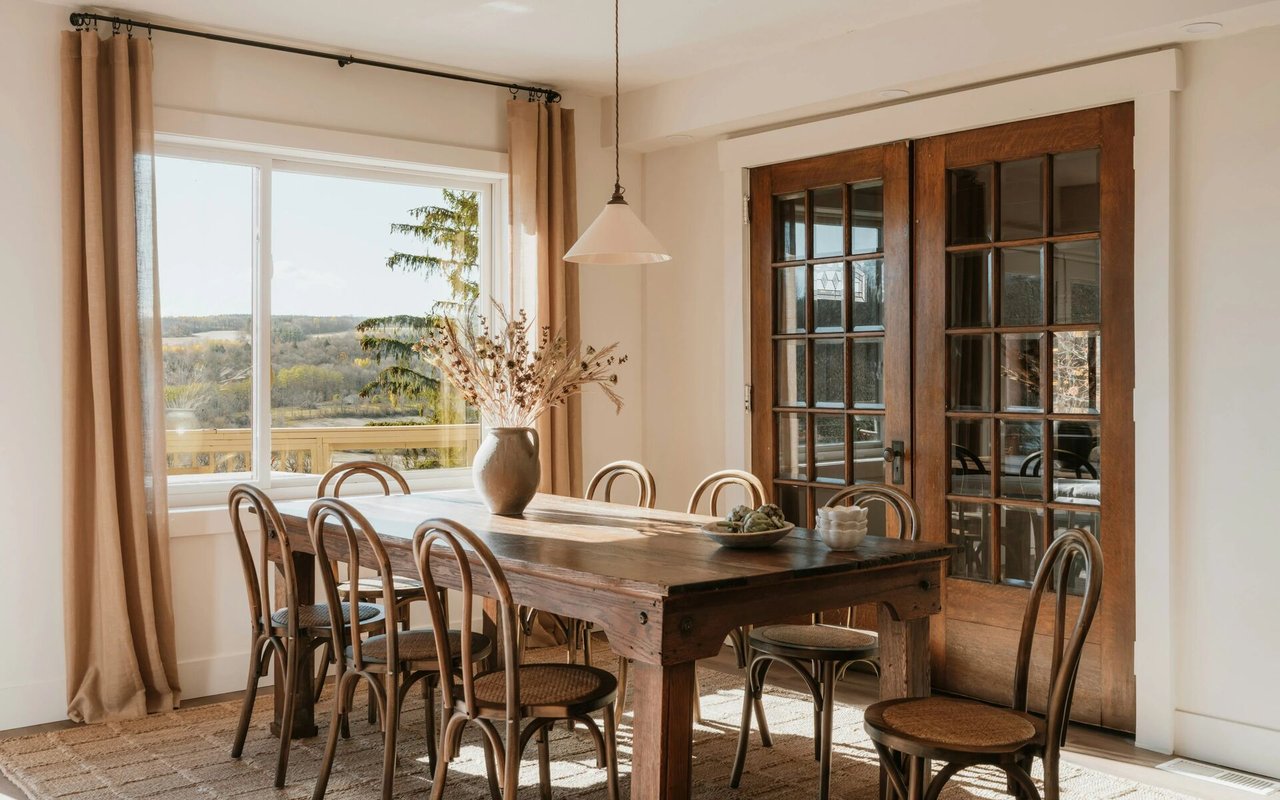
Staging is not about making your home look trendy. It is about helping buyers understand the space, see the care in the property, and picture how they would live there.
The 2025 National Association of Realtors staging report found that 29% of agents said staging increased the dollar value offered by 1% to 10%, 49% of sellers’ agents said it reduced time on market, and 83% of buyers’ agents said staging made it easier for buyers to envision the property as their future home.
In Rolling Fields, practical staging usually matters more than flashy styling. Buyers tend to respond to homes that feel clean, calm, bright, and easy to understand.
Best staging priorities before photos
Focus first on the rooms that shape the strongest first impression:
- Living room
- Kitchen
- Dining room
- Primary bedroom
- Entry areas
Then work through the basics:
- Deep clean every room
- Declutter surfaces and storage areas
- Remove highly personal decor
- Simplify furniture layouts
- Add fresh light where possible
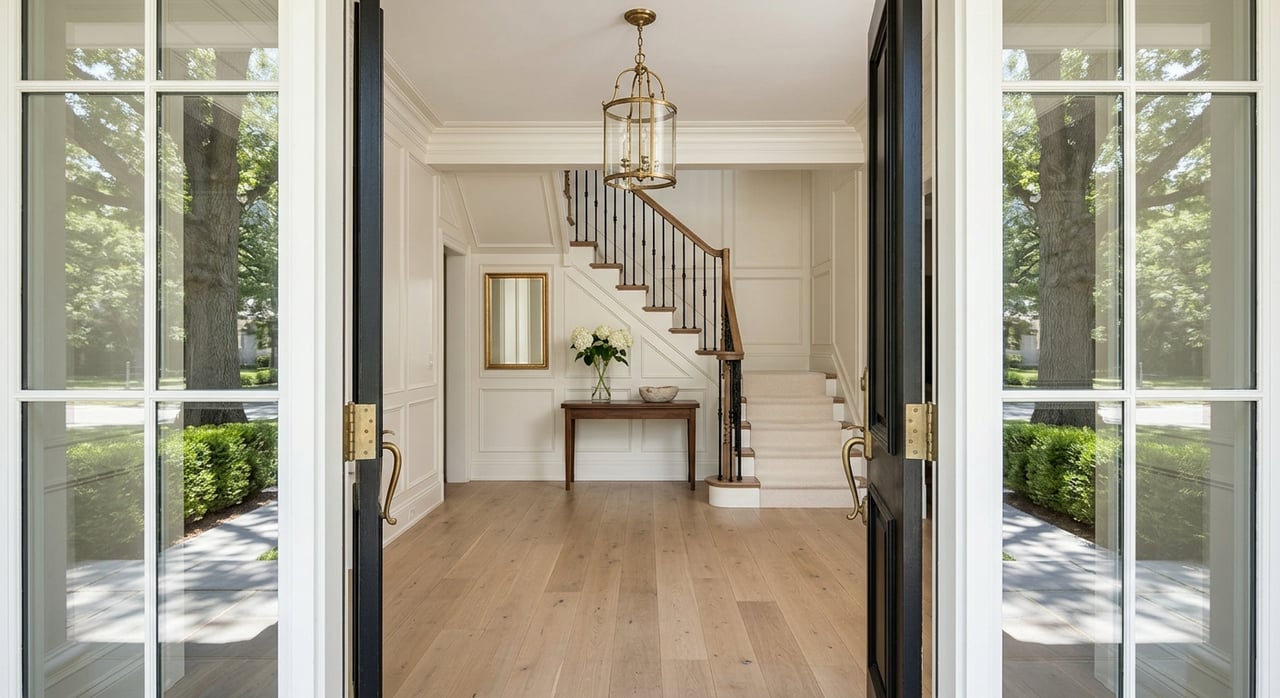
- Highlight quality millwork, flooring, and finish details
If the home is vacant, think carefully before leaving it empty. In many cases, vacant rooms feel smaller and less inviting in both photos and showings.
Use Professional Media to Match the Home
Strong presentation does not stop at staging. In an upper-tier market, your photography and media package help set the tone before a buyer ever schedules a showing.
Buyers’ agents in the same NAR research said photos, videos, and virtual tours mattered to their clients. That is especially important when a home has architectural detail, a large lot, or a layout that needs to be understood visually.
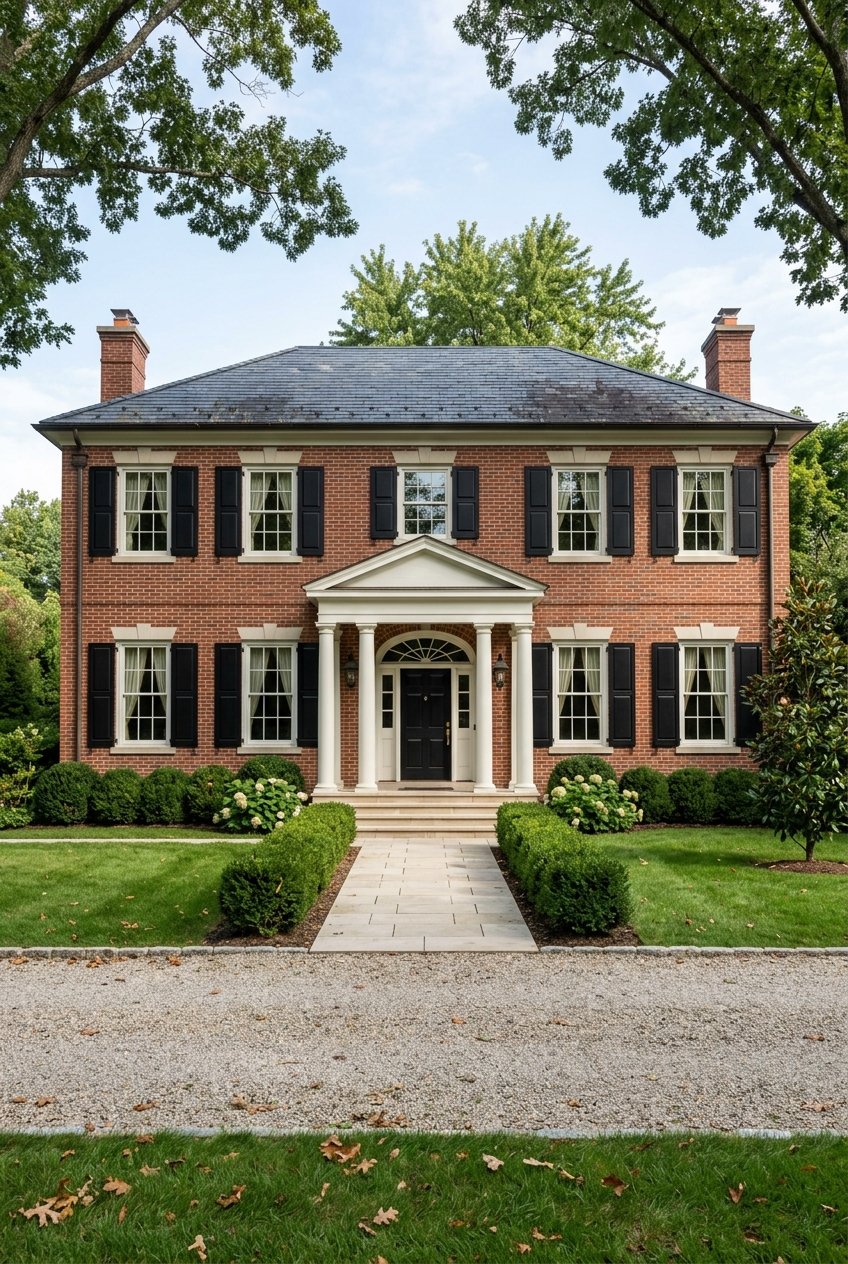
For many Rolling Fields homes, strong marketing media should do two things well. First, it should show the scale, light, and finish quality of the interiors. Second, it should capture exterior setting, approach, and landscape in a way that feels polished and accurate.
For sellers who want a refined launch, this is where thoughtful staging support, professional photography, drone media, video, 3D tours, and floor plans can work together.
Check City Rules Before Exterior Prep
Because Rolling Fields maintains active local ordinances and city resources, exterior project planning should start early. If you are bringing in contractors, scheduling exterior repairs, or using a dumpster or POD during prep, check city requirements before work begins.
The city posts materials related to contractor hours, dumpsters and PODs, nuisances, parking, and building design or use restrictions. That can affect the timing and logistics of everything from landscaping refreshes to roof work and cleanout.
This matters for two reasons. First, it helps you avoid delays during the listing runway. Second, it protects curb appeal by making sure cleanup and project staging do not distract from the home when photos and showings begin.
Choose Timing Based on Readiness
Many sellers ask about the perfect month to list, but in Rolling Fields, preparation is usually more important than chasing an ideal date. A polished launch often beats a rushed launch.
Louisville-area data from spring 2026 showed a market with more inventory than the ultra-tight years, but still solid pricing. In March, new listings were up 19.8% year over year, inventory was up 41.9%, months of supply was 2.9, median sales price reached $289,990, and homes sold for 98.4% of list price. In May, months of supply rose to 3.2 and sellers still received 98.5% of list price.
That suggests buyers are active, but they have more choices than before. For you, the best listing window is when your home is photo-ready, paperwork-ready, and priced from the right local comps.
A Simple Selling Plan for Rolling Fields
If you want to keep the process focused, here is the order that makes the most sense:
- Review recent Rolling Fields sold comps.
- Identify maintenance issues that affect value or disclosure.
- Gather permits, receipts, and property documents.
- Confirm any city rules tied to exterior work or cleanup.
- Deep clean, declutter, and stage key rooms.
- Launch with strong professional media and a realistic price.
That sequence helps you avoid the two biggest seller mistakes in a small, high-attention market: going live too early and pricing from hope instead of evidence.
If you are preparing to sell in Rolling Fields, a measured strategy can make a meaningful difference. For thoughtful pricing, polished presentation, and guidance tailored to Louisville’s distinctive upper-tier neighborhoods, connect with Mac Barlow.
FAQs
What makes selling a home in Rolling Fields different from other Louisville areas?
- Rolling Fields is a very small city, so market medians can shift quickly and city-specific rules around permits, contractor hours, dumpsters, and property upkeep can play a bigger role in listing prep.
How should I price a home in Rolling Fields?
- Start with the most similar recent Rolling Fields sold homes and use broader Louisville data only as supporting context, since a small number of local sales can distort headline averages.
What repairs matter most before listing a Rolling Fields home?
- Visible maintenance issues and major condition concerns such as roof leaks, basement moisture, drainage problems, HVAC concerns, and unpermitted improvements usually matter more than minor cosmetic flaws.
Is staging worth it for a Rolling Fields home sale?
- Yes, staging can help buyers picture themselves in the home, support perceived value, and reduce time on market, especially when paired with strong photography and video.
What paperwork should I prepare before listing a home in Rolling Fields?
- Have your seller disclosure, permit history, repair receipts, survey information, and any documents related to restrictions, historic status, or past improvements ready before the listing goes live.
When is the best time to list a home in Rolling Fields?
- The best time is usually when your home is fully prepared, well documented, professionally photographed, and priced from the right local comps rather than simply choosing a month on the calendar.