Wondering what it’s really like to move to Indian Hills when your time is limited and your standards are high? If you are relocating for a new role, a corporate transfer, or simply a lifestyle change, Indian Hills stands out for its wooded setting, close-in Louisville access, and upper-tier housing options. This guide will help you understand how the area feels, how daily logistics work, and what to expect from the housing search so you can move forward with clarity. Let’s dive in.
Why Indian Hills Feels Different
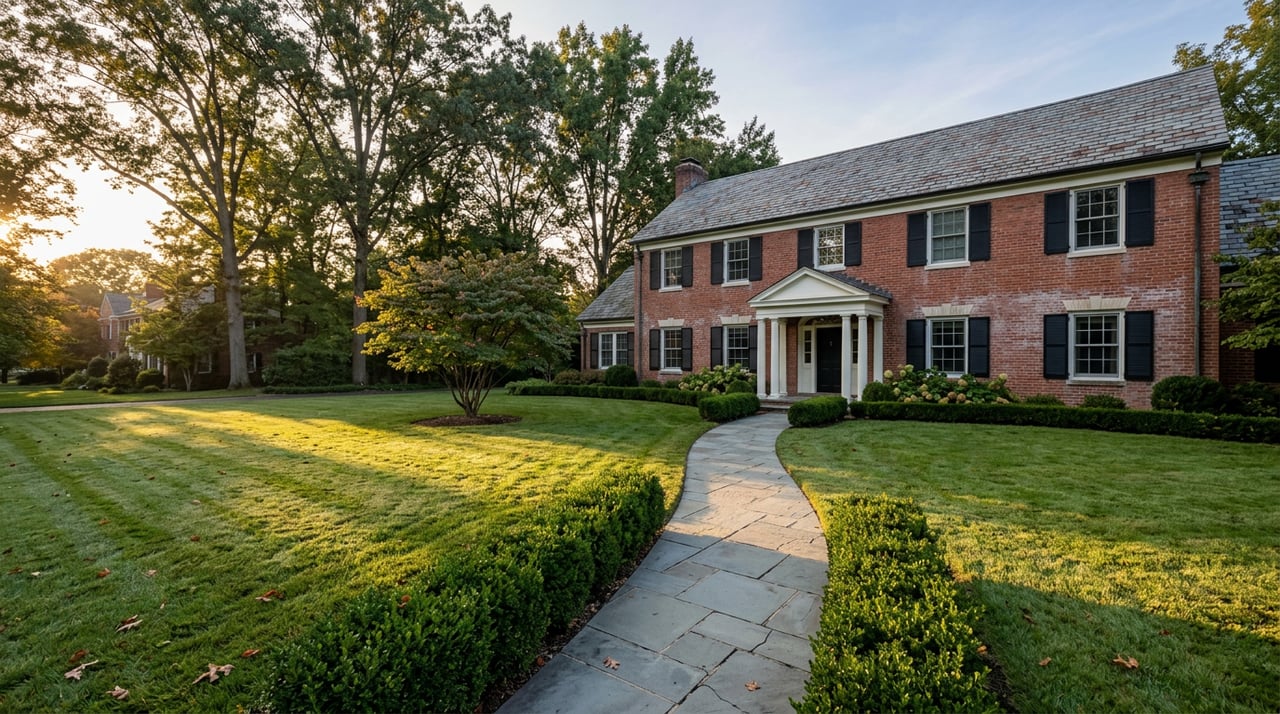
Indian Hills is not a typical suburban grid. Its layout reflects an Olmsted-influenced plan with curving streets, rounded intersections, preserved trees, and open green space, which helps explain the area’s established, wooded character.
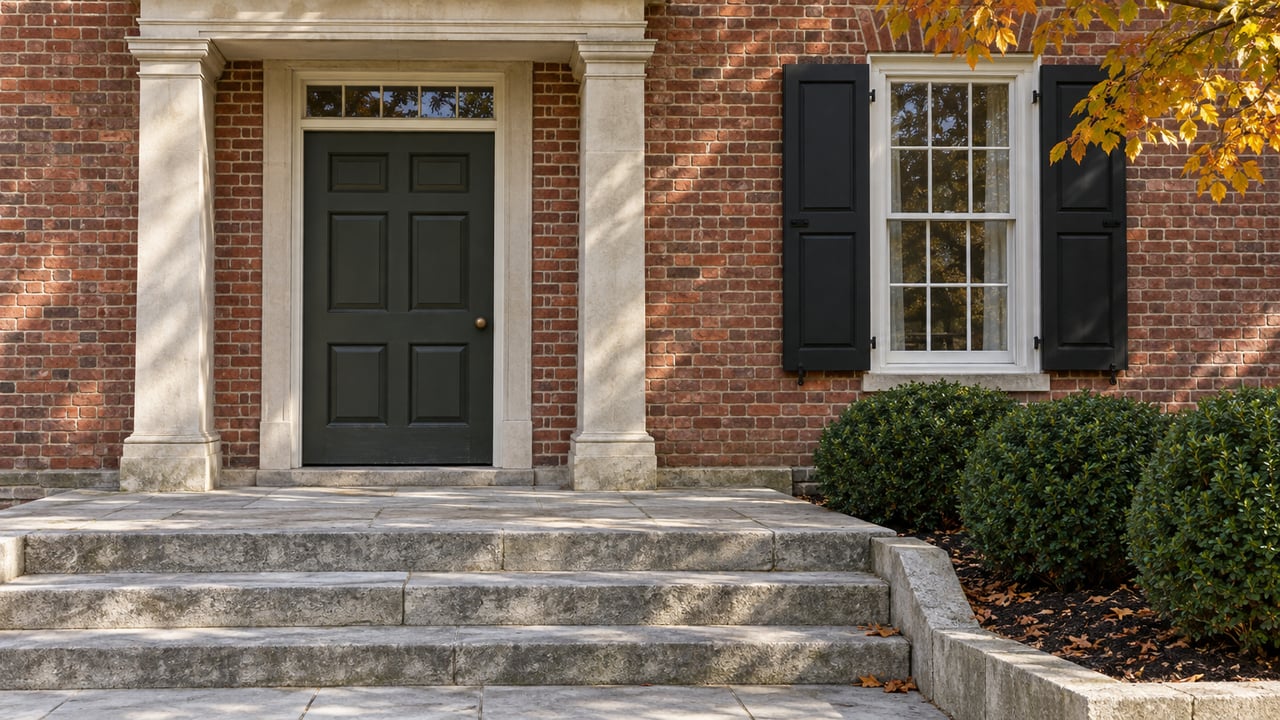
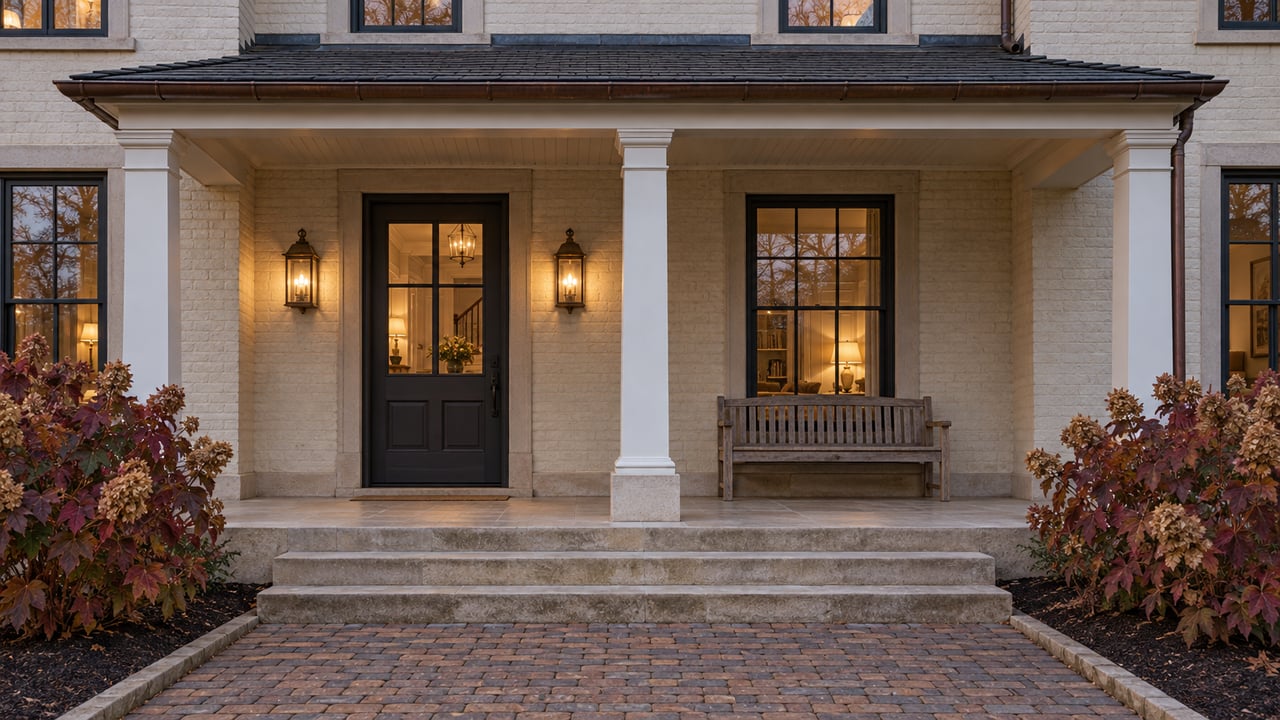
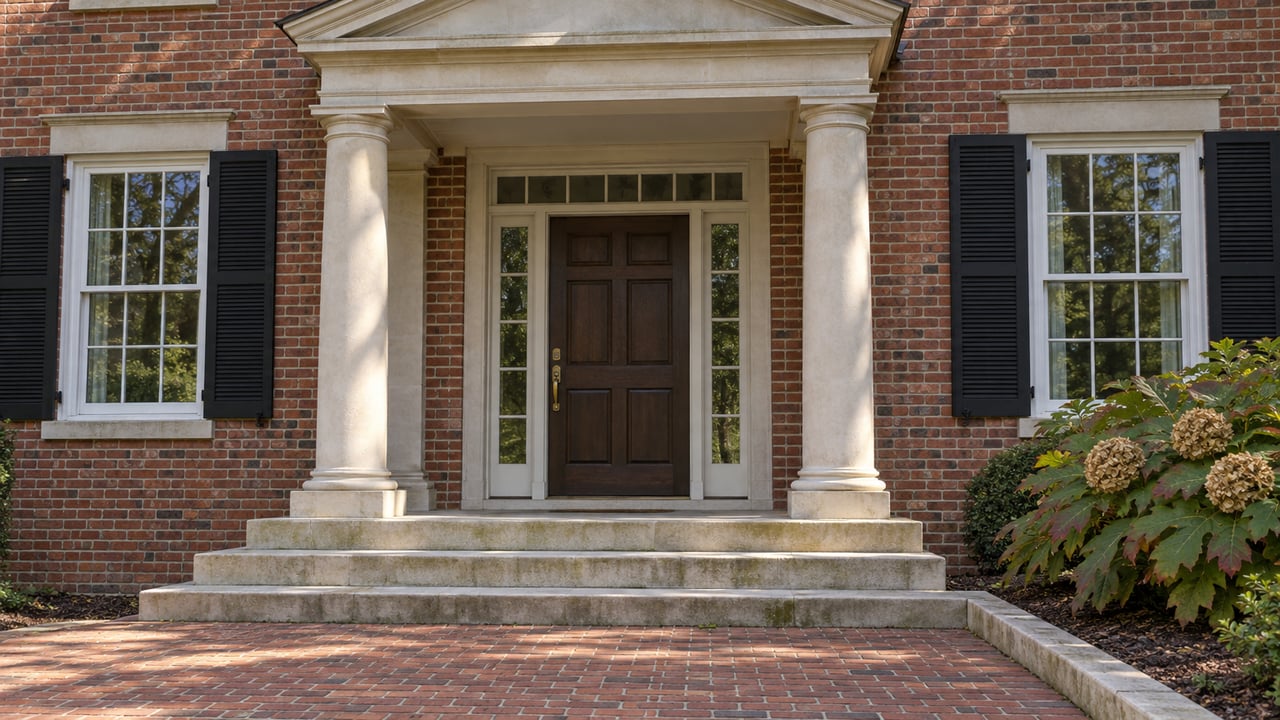
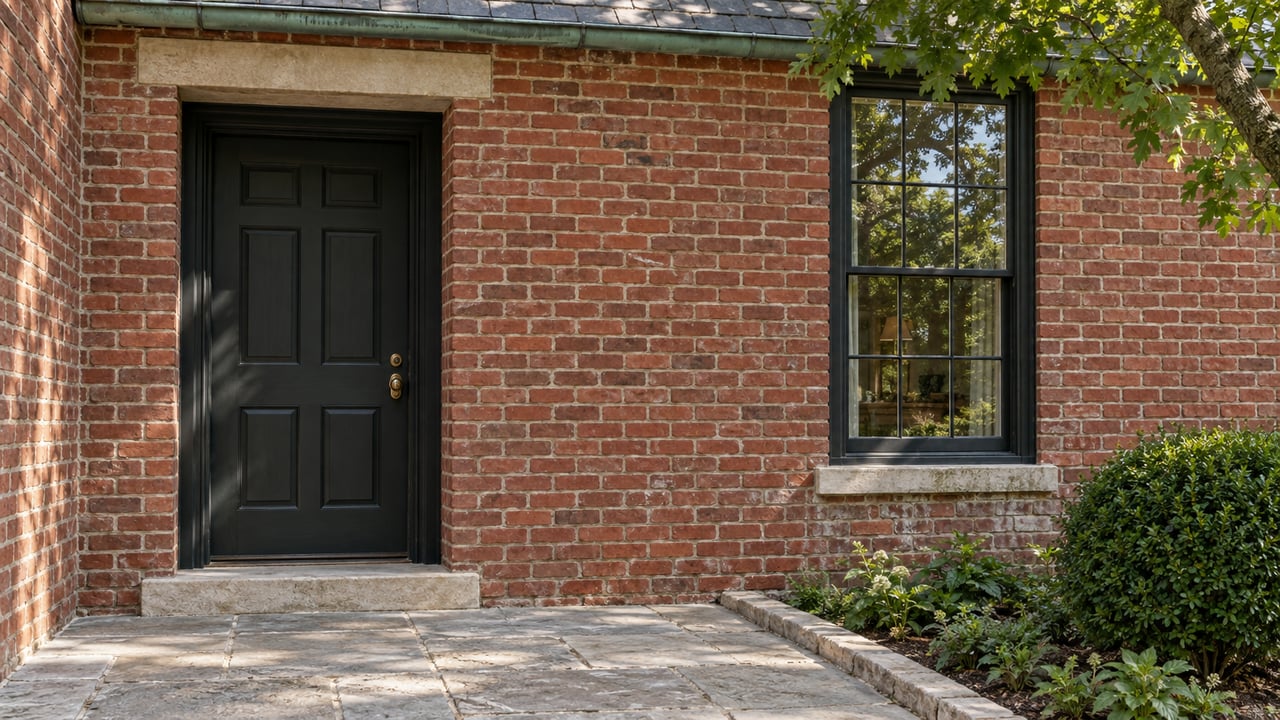
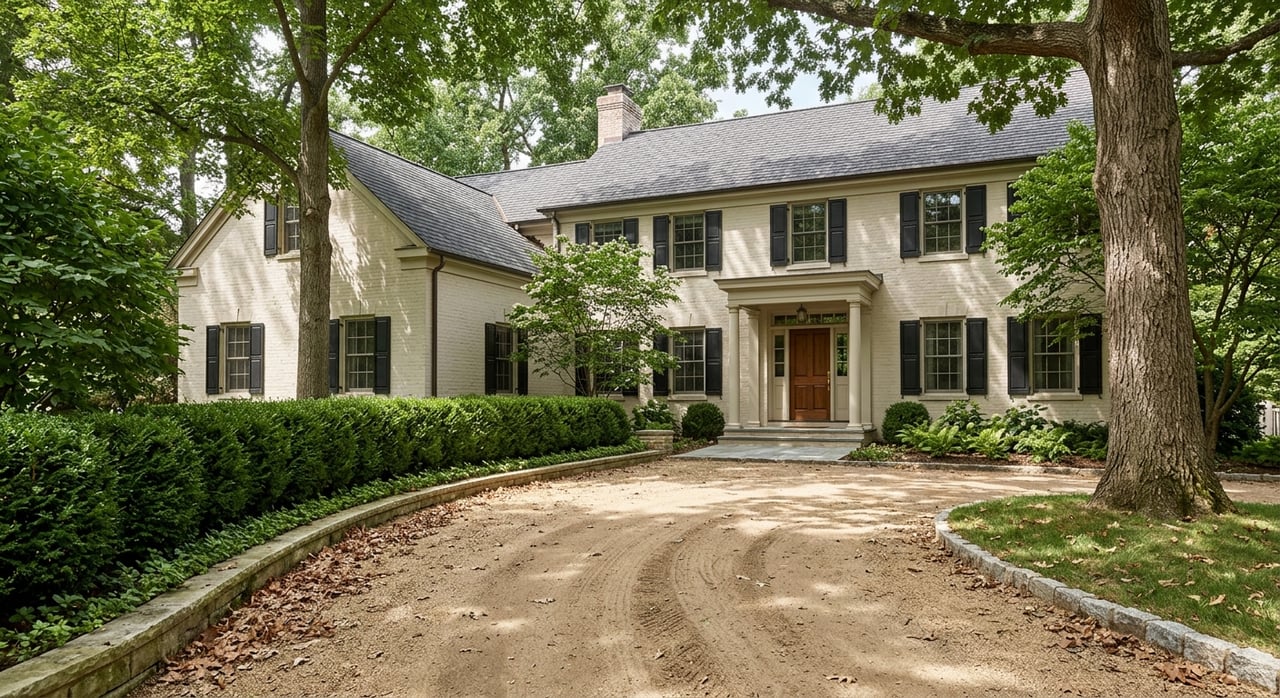
For you as a relocating buyer, that design matters. It creates a more private, estate-style feel and a lower-density residential setting that often appeals to buyers who want room, maturity in the landscape, and a neighborhood with a distinct sense of place.
What Daily Life Looks Like
One of Indian Hills’ biggest advantages is balance. You can have a quieter residential environment without giving up practical access to central Louisville.
Travelmath estimates the drive between Indian Hills and Louisville at about 6 miles and roughly 14 minutes. Louisville International Airport is about 12 miles from the center of Indian Hills, which supports the idea that this is a convenient choice for professionals who expect regular regional or national travel.
Brownsboro Road Shapes the Commute
In day-to-day terms, local movement is corridor-based. Brownsboro Road and US-42 do much of the commuting work for this part of Jefferson County.
Louisville Metro planning also identifies US-42, including Brownsboro Road and Mellwood Avenue, as a corridor that has seen safety and congestion-related reconfiguration work. That does not mean every drive feels the same, but it does mean route planning matters when you are thinking about office access, airport trips, and weekday routines.
Cultural Access Without Downtown Living
If you want quick access to Louisville’s cultural core, Indian Hills gives you a strong position. Several of the city’s best-known institutions sit in or near downtown, making them realistic options for a weekday outing, weekend visit, or entertaining guests.
Nearby destinations include:
- Kentucky Science Center at 727 W Main Street
- Louisville Slugger Museum & Factory at 800 W Main Street
- Frazier Kentucky History Museum at 829 W Main Street
- Muhammad Ali Center at 144 N 6th Street
- Speed Art Museum at 2035 S Third Street
The Speed Art Museum identifies itself as Kentucky’s oldest, largest, and most distinguished art museum. For a relocating executive or family, the larger point is simple: Indian Hills offers access to museums, history attractions, and downtown amenities while preserving a more secluded residential setting at home.
Indian Hills Housing at a Glance
If you are beginning your search, it helps to set expectations early. Indian Hills is best understood as an upper-tier market with limited inventory, a strong single-family focus, and occasional lot opportunities.
Current online inventory is relatively tight. Zillow shows 18 results on its Indian Hills Louisville page, with listings that are mostly larger single-family homes, plus some vacant lots.
Price Range and Market Tone
The visible asking prices in current listings span a wide range. Zillow examples run from about $450,000 to $2.98 million for homes, while lot examples range from about $79,500 to $525,000.
Broader market trackers point in the same direction. Realtor.com reports a median listing price of $700,000 and 21 homes for sale, while Redfin reports a median sale price of $635,620 over the last three months.
That kind of data matters because it frames your search realistically. In Indian Hills, you should not expect abundant entry-level inventory or a large supply of smaller, newer tract-style homes.
Why Buyers Need to Be Ready
Limited inventory tends to reward preparation. Median days on market vary by source, with Realtor.com reporting 57 days and Redfin reporting 35 days, but Redfin also notes that hot homes can go pending in around 9 days.
In practical terms, that means your search may take weeks rather than days, yet the right home can still move very fast once it appears. Redfin also describes the market as very competitive, with many homes receiving multiple offers and some buyers waiving contingencies.
A Smart Relocation Mindset
If you are moving from out of town, decisiveness becomes part of the strategy. You may need to narrow your priorities early, confirm your budget range, and be ready to view opportunities quickly when the right property hits the market.
This is especially true in a neighborhood where architecture, lot quality, and setting can vary meaningfully from one address to another. Two homes at a similar price point may offer very different experiences depending on layout, privacy, condition, and renovation potential.
What the Buying Timeline Can Look Like
Relocating buyers often focus on finding the right home, but the closing phase deserves equal attention. Even after your offer is accepted, the path to ownership can still take several weeks.
The appraisal process typically takes anywhere from a few days to a few weeks according to Fannie Mae. The Consumer Financial Protection Bureau also states that the Closing Disclosure must be delivered at least three business days before closing, and some closings take longer when signatures are gathered separately.
Plan for Search Time and Closing Time
A realistic Indian Hills move usually includes two separate clocks:
- Search clock: possibly several weeks, with quick action needed when the right home appears
- Closing clock: often several more weeks after contract acceptance
For executives and families with compressed moving schedules, that distinction helps prevent avoidable stress. Your move-in timing may depend as much on financing, appraisal, and closing logistics as on the home search itself.
Who Indian Hills Often Appeals To
Indian Hills tends to fit buyers who value setting as much as square footage. If you want mature trees, winding streets, and a more established residential environment close to Louisville, the area checks a very specific box.
It can also be a strong fit if you appreciate architectural distinction or want to explore a home with long-term customization potential. Given the inventory mix and pricing, this is usually a market for buyers who are comfortable with an upper-tier purchase and willing to wait, prepare, and act with purpose.
Questions to Ask Before You Relocate
Before you commit to Indian Hills, it helps to pressure-test your priorities. A thoughtful search starts with clear answers, not just a saved list of online listings.
Ask yourself:
- How often will you commute to downtown or other Louisville business centers?
- How important is airport access to your weekly or monthly routine?
- Do you want a move-in-ready home, or are you open to renovation potential?
- Are you focused on privacy, architecture, lot size, or convenience first?
- How quickly could you travel to Louisville if the right home becomes available?
Those questions help narrow the field in a market where quality options may be limited at any given moment. They also make it easier to move decisively when the right opportunity presents itself.
Why Guidance Matters in Indian Hills
In a neighborhood like Indian Hills, the search is rarely just about bedroom count or list price. It is about understanding how setting, architecture, inventory scarcity, and timing all work together.
That is where local context becomes valuable. A buyer relocating from another city often benefits from clear neighborhood guidance, practical expectations, and a calm strategy for evaluating homes quickly without feeling rushed.
If you are planning a move to Indian Hills, working with an experienced local team can help you compare options, understand market pace, and approach the process with more confidence. To start that conversation, connect with Mac Barlow for thoughtful guidance tailored to your move.
FAQs
What is the overall feel of Indian Hills in Louisville?
- Indian Hills is a low-density residential city with an Olmsted-influenced layout known for curving streets, preserved trees, open green space, and an estate-style setting.
How far is Indian Hills from downtown Louisville destinations?
- Travelmath estimates the drive between Indian Hills and Louisville at about 6 miles and roughly 14 minutes, which supports describing it as a close-in location.
What roads matter most for commuting from Indian Hills?
- Brownsboro Road and US-42 are the key corridors to know for day-to-day access in and around this part of Louisville.
What types of homes are most common in Indian Hills?
- Current online inventory points to a market dominated by larger single-family homes, with occasional vacant lot opportunities.
Is the Indian Hills real estate market competitive?
- Yes. Redfin describes the market as very competitive, with many homes getting multiple offers, and some hot homes going pending in around 9 days.
What price point should buyers expect in Indian Hills?
- Available market data shows an upper-tier market, with Realtor.com reporting a median listing price of $700,000 and current listings ranging much higher in some cases.
How long can it take to buy a home in Indian Hills?
- The home search may take several weeks because inventory is limited, and the closing process can take several more weeks after an offer is accepted.