Prospect Mayor Doug Farnsley put the neighborhood's current identity in one sentence: it is a wonderful place to walk in Hunting Creek, but you cannot walk to get an ice cream cone. That line, delivered while explaining a proposed 30-acre downtown along U.S. 42, says more about what buyers are weighing right now than the project's headline price tag does. The plan calls for housing, shops, restaurants, an amphitheater, and a city square built in a style the city has openly compared to Norton Commons. The number attached to it is $200 million.
If you are comparing Prospect against Glenview, Indian Hills, or Rolling Fields right now, that dollar figure is the least useful part of the story. What actually determines whether this changes the neighborhood, and when, comes down to two mechanisms that rarely make it into a listing description: a signature count and a financing structure. Both are worth understanding before you decide whether to buy ahead of this project or wait to see if it clears the ground.
The Signature Count Standing Between Announcement and Reality
A city cannot simply declare a new downtown into existence. The 30-acre site sits between River Road, U.S. 42, Timber Ridge Drive, and a floodway, and before Prospect can execute the full vision, that land has to be annexed into the city. Annexation in Kentucky requires signed consent from a threshold of affected property owners. As of the reporting on this project, Farnsley said he had 32 of the 38 signatures needed, with two more residents ready to sign.
That is close, but it is not closed. A proposal with a rendering, a mayor's quote, and a comparison to a beloved local development is not the same thing as an approved annexation. If you are timing a purchase around the idea that Prospect is about to become more walkable, the honest answer is that the mechanism deciding whether that happens at all is still a stack of paperwork a handful of individual property owners have not yet signed. Buyers who assume this is a formality are skipping the step where a small number of holdouts could delay or reshape the whole plan.
Who Actually Pays for a $200 Million Downtown
The instinct when you hear a nine-figure development is coming to your neighborhood is to wonder what it does to your tax bill. Prospect's plan answers that question directly, and the answer cuts against the assumption. The city intends to fund the project's infrastructure through a tax increment finance district, which means the development is structured to pay for itself out of the new tax revenue it generates, not out of a special assessment on existing Prospect homeowners. Farnsley was explicit about this: the increase in property taxes from the new development does not fall on current taxpayers, because the funding comes from the development itself.
That distinction matters if you are pricing in future risk. A TIF district is not free money. It works by capturing the growth in tax revenue a district produces over time and redirecting it to pay down the infrastructure bonds. Farnsley also said the city does not yet know how much that infrastructure will cost, which means the mechanism is sound in theory but the number that makes it work in practice has not been finalized. If you are the kind of buyer who wants certainty before committing capital, that gap between structure and dollar figure is the honest state of things today, not a settled outcome you can bank on.
The Traffic Count Nobody Puts on a Rendering
A city square with an amphitheater sounds appealing on a site plan. What that plan does not show as clearly is the corridor it sits on. U.S. 42 through this stretch of Prospect carries roughly 28,000 cars a day into Oldham County. That is not a quiet residential lane being converted to a promenade. It is one of the busier arterial roads in the area, and the property sits between the fire station and the Ken Carla neighborhood, right along that traffic flow.
Farnsley's stated goal is to avoid the traditional suburban model, where housing and commercial space sit in separate pods connected only by car, and instead build something pedestrian friendly with roughly 40% green space and five-story mixed-use buildings for living and shopping in the same footprint. That is a real design shift, and a meaningful one if it happens. But building a walkable district against a 28,000-car corridor is a harder engineering and planning problem than building one on a quiet lot, and it is part of why the developer, Wes Johnson, working with Wescott Construction, and the city are still working through a public-private partnership rather than a finished construction schedule.
What This Means If You're Buying in Prospect Now
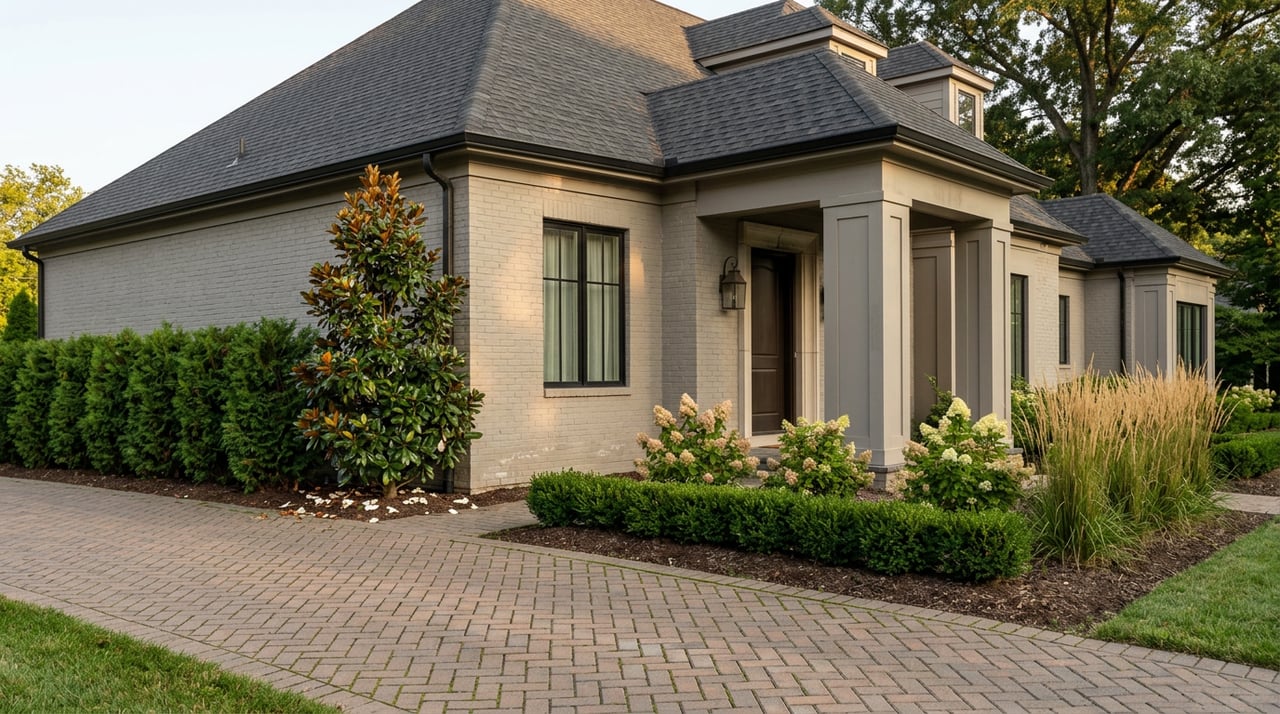
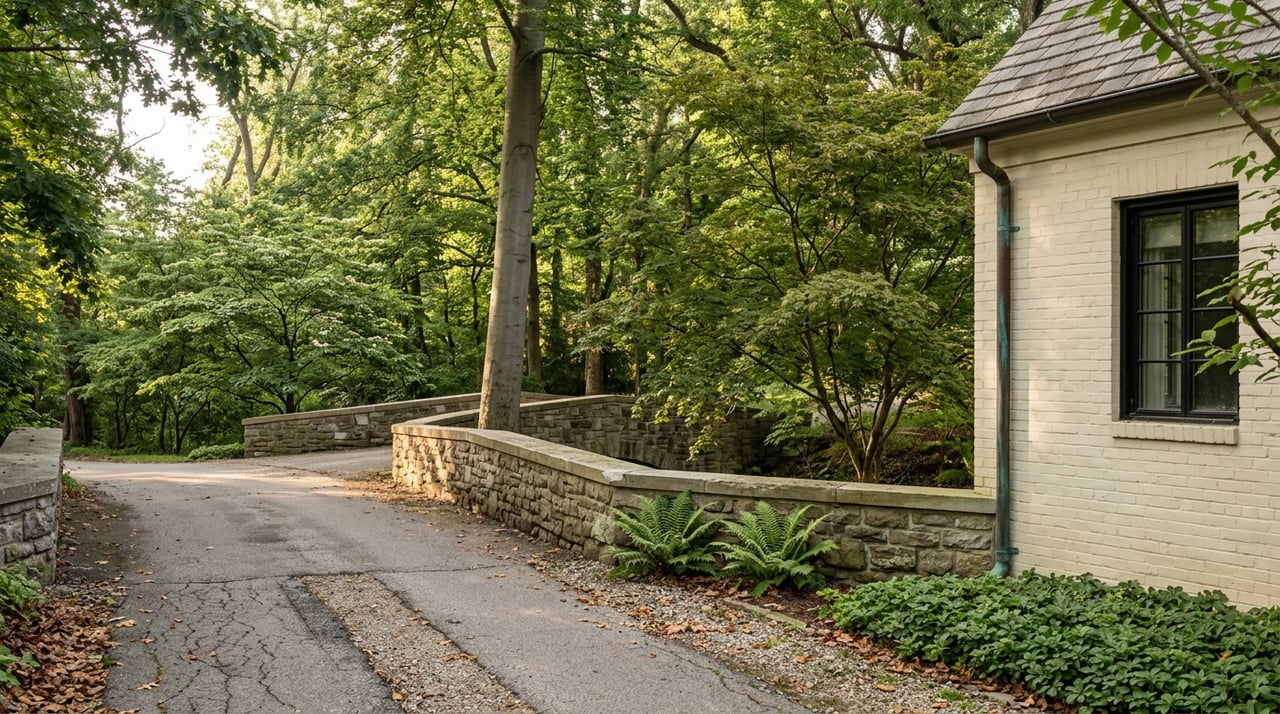
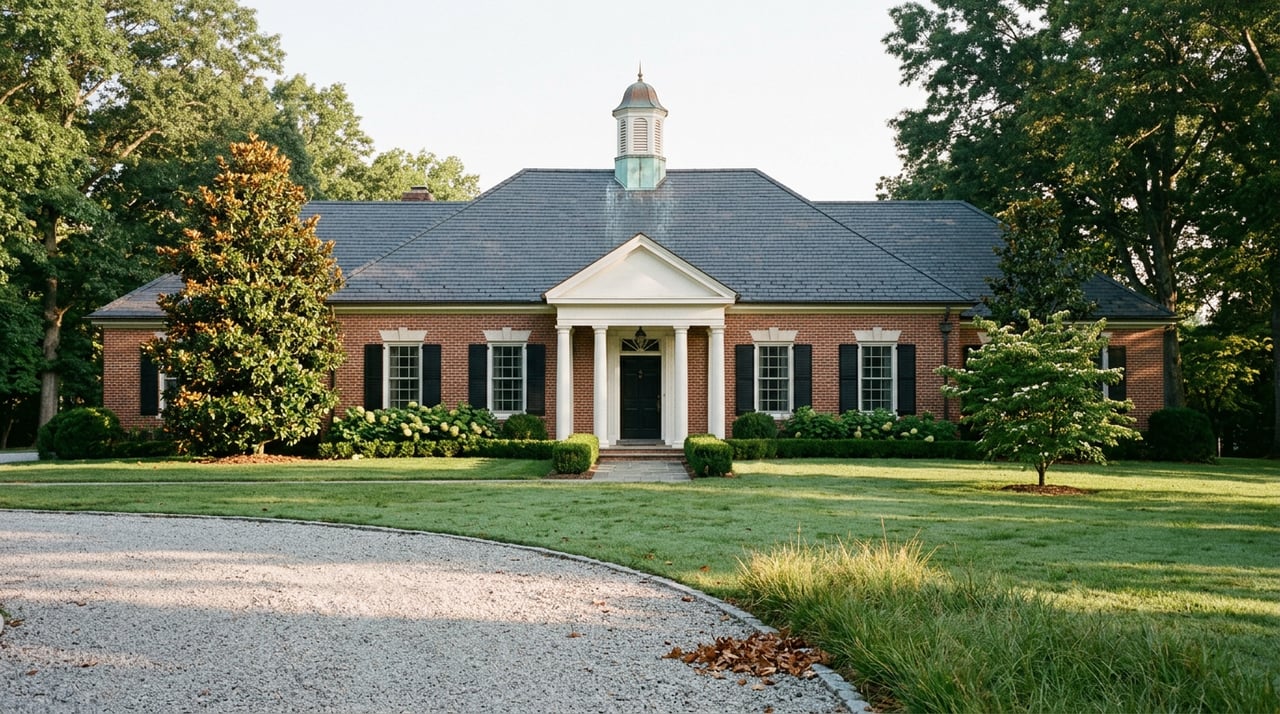
Here is the practical read. Prospect today is still the neighborhood it has been: large lots, an equestrian character in pockets, and a drive-everywhere layout where getting a coffee or an ice cream cone means getting in the car. Nothing about this proposal changes that in the near term. The city's own target is a first-quarter 2027 groundbreaking, with a project timeline of up to five years once construction actually starts. That means anyone buying today is buying into the current version of Prospect, not the version with a finished town square.
That is not a reason to dismiss the plan. It is a reason to separate two different buyer motivations. If you want walkable amenities now, this project does not deliver that for years, and only if annexation clears and financing terms firm up. If you are thinking about long-term appreciation and are comfortable holding through a multi-year build-out, the comparison to Norton Commons is worth taking seriously, since that development has become a real draw for buyers willing to pay for density and walkability in a market that has historically been short on both. But the comparison only holds if this project reaches the same finished state, and right now it is a proposal with strong political backing, not a done deal.
For sellers, the calculus is different again. A home in Prospect today is not competing against a finished downtown. It is competing against the current inventory and the current draw of the neighborhood, which for most buyers still means proximity to the river, larger lots, and a quieter pace than Louisville's more urban pockets. Marketing a home today around a project that has not broken ground yet risks overpromising something the buyer cannot verify.
A Few Quick Questions
Will this development raise my property taxes if I buy in Prospect now? Based on how the city has structured the financing, no. The plan uses a tax increment finance district, which means the new development's own future tax growth pays for its infrastructure rather than a levy on existing homeowners. Farnsley has stated this directly.
When will construction actually start? The city's target is the first quarter of 2027, contingent on annexation clearing first. As of the most recent reporting, the city had 32 of the 38 property owner signatures required, so the timeline still depends on that process finishing.
What happens if the annexation does not go through? The full vision, including the city's ability to shape zoning and design as described, depends on the land being annexed into Prospect. Without it, the project as currently described would not proceed on the same terms.
Does this change what my home is worth today? Not yet, and not automatically even later. A proposal with a favorable financing structure and political support is meaningfully different from a completed downtown with functioning retail and foot traffic. Value tends to follow completed infrastructure, not announcements.
If you are weighing Prospect against the neighborhood's more established luxury enclaves, or trying to figure out how a project like this should factor into your timeline, the details matter more than the headline number. The Stough Barlow Team tracks these local shifts as part of how we advise buyers and sellers across Louisville's higher-end neighborhoods. Contact us to talk through what this means for your specific plans in Prospect.